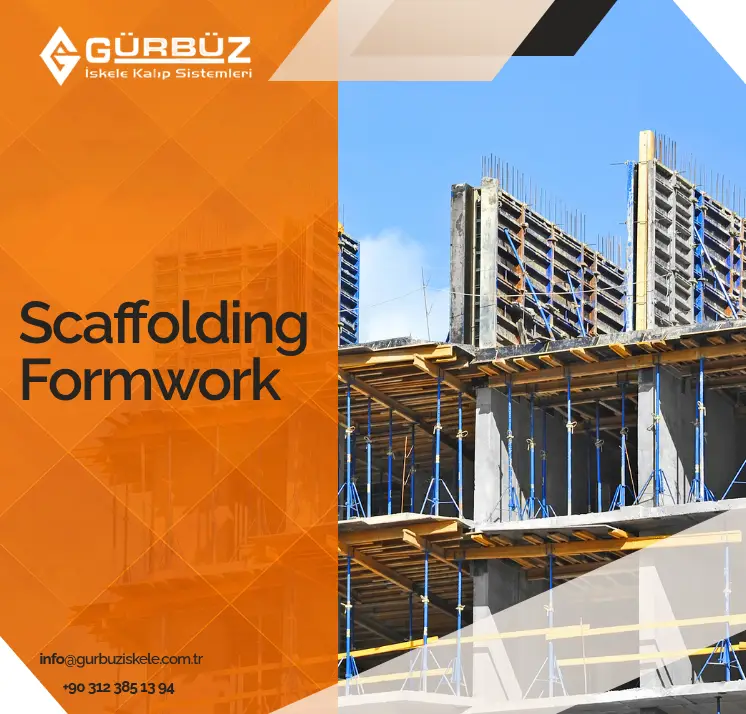
Concrete formwork refers to temporary molds used during the concrete pouring process in construction. These molds allow the poured concrete to take shape and provide support during the hardening process. Generally made from steel, aluminum, wood, or plastic, these molds play a significant role in shaping the desired structural elements.
Concrete formwork is a critical element, especially in high-rise buildings, bridges, and infrastructure projects. Formwork systems ensure a smooth concrete surface and contribute to the longevity of structures. Furthermore, these molds are important from a safety perspective, as they provide structural stability during the concrete hardening phase. The correct placement and selection of appropriate materials directly affect the quality and speed of construction. Once the concrete has gained strength, the molds can be easily removed and reused.
Concrete Wall Formwork
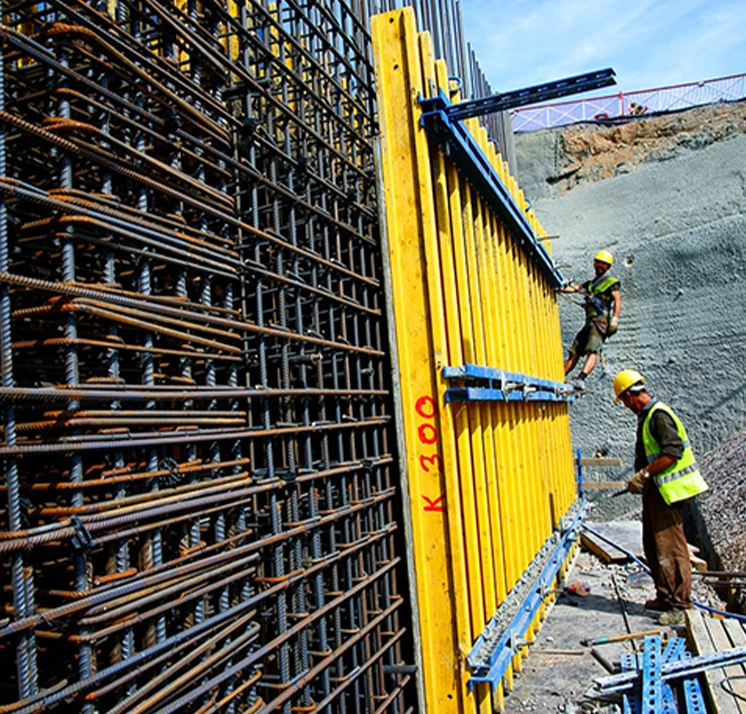
The construction system used to shape freshly poured concrete to specified dimensions and maintain its intended form during curing is known as concrete wall formwork. Used in construction, infrastructure, and landscaping projects, formwork is manufactured from different materials depending on the application. Wall height, thickness, and surface requirements determine which system is suitable.
Formwork strength is particularly important for structural safety in reinforced concrete shear wall applications. Systems capable of withstanding the pressure exerted by concrete during pouring help maintain the dimensions specified in the project.
The main applications of concrete formwork include:
- Structural walls: Used to construct reinforced concrete shear walls and retaining walls to the dimensions specified in the project.
- Landscaping products: Used to shape planters, curbs, and various decorative elements.
- Paving: Helps create patterned concrete surfaces for garden paths, terraces, and outdoor areas.
- Landscaping structures: Used to produce garden walls and boundary elements.
When selecting formwork, installation requirements and frequency of use should be considered alongside material durability. Choosing a suitable system for repetitive applications makes it easier to plan labor requirements. For decorative projects, the texture of the formwork surface directly affects the appearance of the concrete.
Concrete Formwork Prices
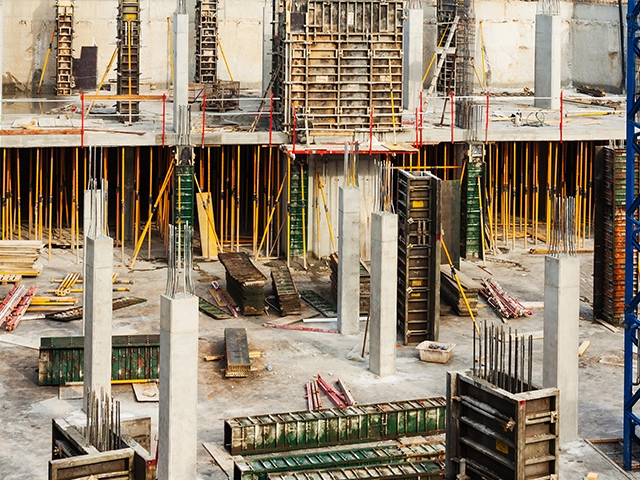
The material used in production, product dimensions, design features, and intended usage capacity all play a key role in determining concrete formwork prices. Large-scale systems used in construction projects have different costs from smaller molds used to manufacture decorative products. The technical requirements of the application and the quantity of products needed should be considered when purchasing.
In particular, the load-bearing capacity, material thickness, and reusability of the system used for cast-in-place concrete work affect the total cost. Concrete block molds used in precast production are designed to manufacture concrete elements in different sizes. Their prices depend on block dimensions, mold body construction, and manufacturing specifications.
The following criteria should be examined when comparing prices:
| Pricing Criterion | Impact on Cost |
| Formwork material | Wood, plastic, and steel products have different manufacturing costs. |
| Product dimensions | Larger dimensions may increase the amount of material required. |
| Design features | Custom patterns and detailed shapes may affect production costs. |
| Usage capacity | Reusable systems may have different initial costs. |
| Order quantity | Unit prices may vary for bulk purchases. |
Prices differ between standard products and formwork manufactured to custom dimensions. For long-term projects, considering the purchase price alone is insufficient. Maintenance requirements, service life, and the labor needed during use should also be included in budget planning. This allows for a more meaningful cost comparison between products suited to the project scope.

Concrete Formwork Boards
A concrete formwork board is a wooden construction material used to hold freshly poured concrete in a specified shape. Boards can be prepared in different sizes for foundations, columns, beams, and walls. Because they can be cut to size, they make it easier to build formwork for areas with nonstandard dimensions.
Wooden systems can also be used in concrete block production. In these applications, board thickness, connection points, and surface evenness are important. Formwork components must be properly supported to withstand the pressure generated during pouring.
When selecting materials, the moisture content, strength, and resistance to deformation of the wood should be examined. Damaged or warped boards may cause unwanted irregularities in the concrete surface. Boards that are cleaned after use and stored under suitable conditions may be reused for subsequent pours if their technical condition allows.
Types of Concrete Formwork
Types of concrete formwork can be categorized according to their manufacturing material, load-bearing capacity, and application. Wooden systems can be prepared to the required dimensions, while steel formwork stands out for its durability in repeated pours. Plastic products can be used for certain decorative applications and the manufacture of precast elements.
Prefabricated concrete formwork systems are manufactured in standard sizes and designed for assembly. They can make it easier to plan construction activities, especially in projects with repeated structural elements. Modular options allow different panels to be combined to achieve the required dimensions.
When choosing a formwork type, the pressure exerted by concrete, the size of the application area, and the desired surface characteristics should be considered. Steel and aluminum systems may have different handling and installation requirements from plastic products. Ensuring that the technical specifications of the formwork material match the project is important for safe pouring and achieving the intended surface quality.
Frequently Asked Questions
Plastic concrete formwork is used to produce garden paths, decorative walls, curbs, and various landscaping products. Its lightweight construction and reusability make it easier to produce concrete elements in different sizes.
Stamped concrete mold prices vary depending on product size, material quality, pattern details, and durability. Custom designs, order quantity, and the mold’s reusability also affect costs.
Concrete post formwork should be selected according to the height, cross-sectional dimensions, and intended use of the post being produced. The formwork must withstand concrete pressure and retain its shape during pouring.
Concrete wall formwork is used in residential and commercial construction, retaining walls, garden walls, and infrastructure projects. Formwork systems made from different materials and in different dimensions are selected according to the technical requirements of the project.